onvif-mcp
AI agents can't talk to security cameras. Now they can.
$ bun index.ts --verify
  chain OK — 299 receipts, every hash
  linked + signature valid; 59 handoff
  signatures valid, heads present
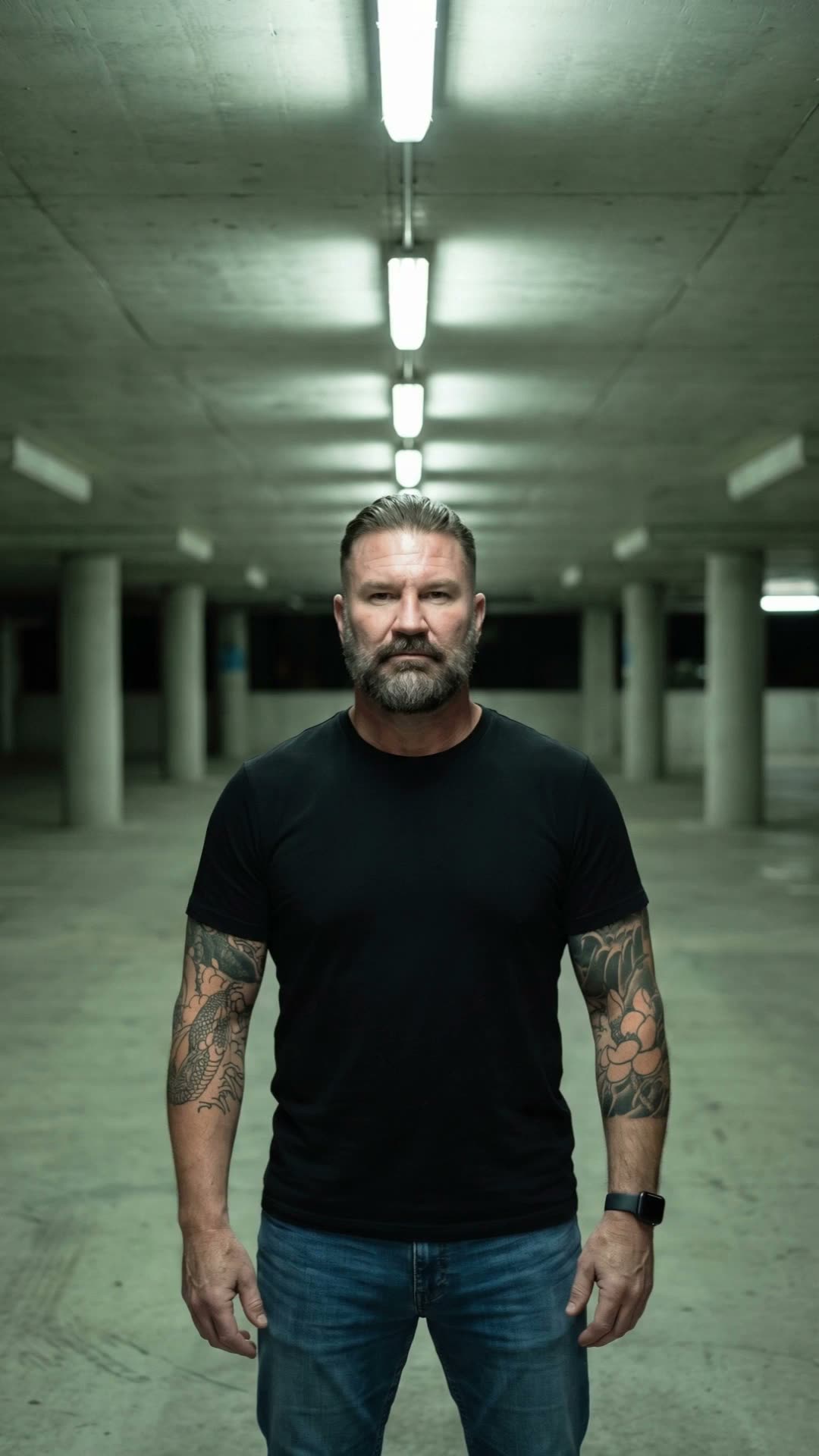
AI-generated, my likeness
Verification and commissioning tools for physical security.
If it can't survive a challenge, it isn't evidence
Built so video can prove it hasn't been altered, from the lens to the courtroom. In development.
Signed at the source. AXIS cameras sign the video; each detection gets its own record, signed with a software key today and in the camera later.
Built to survive the transcode. When retention thins the footage, a second record will say what was read, what was written, and how. In spec review.
Anyone should be able to check it. The verifier, in development, walks the chain and gives a graded answer.
AI agents can't talk to security cameras. Now they can.
$ bun index.ts --verify chain OK — 299 receipts, every hash linked + signature valid; 59 handoff signatures valid, heads present
Signed, replayable proof of what an AI agent actually did.
{
  "v":     2,
  "kind":  "dispatch",
  "body":  {"attempt_id":    "a0909ad8…fa70",
            "dispatched_at": 1735689708,
            "target_status": 202},
  "legal": {"purpose_id":      "incident-response",
            "jurisdiction_id": "US-CO"}
}  · COSE_Sign1 · ES256
Tools that turn "the camera shows a picture" into a measurable pass or fail.
Software will run the decoys. Somebody still has to answer for what it did, and the agent’s own log can’t be the only witness.
Courts call it an illustrative aid, and it is not evidence. An AI-made explainer is the same thing. Ask for the record.
A Sunday bench test: an AI agent on three live cameras, field-tech rules around it, and two things only the hardware could tell me.

Most of this technology was built by people who never had to depend on it at 2 a.m. You can tell.